Why Your Headphones Isolate Less Noise Than They Used To
Headphones isolate less when the foam has collapsed, the seal no longer meets your head, or the cover is torn. Those are pad problems, and a denser pair can bring passive isolation back. New ear pads do not fix active noise cancelling. If ANC electronics failed, a cushion will not revive them.
Why do your headphones isolate less noise than they used to?
The seal leaked. Worn foam, a pad that no longer reaches your head, or a damaged cover opens a path for noise. Replace the pads when that is what you see. If the pads still seal and ANC is the thing that died, the pads are not the repair.
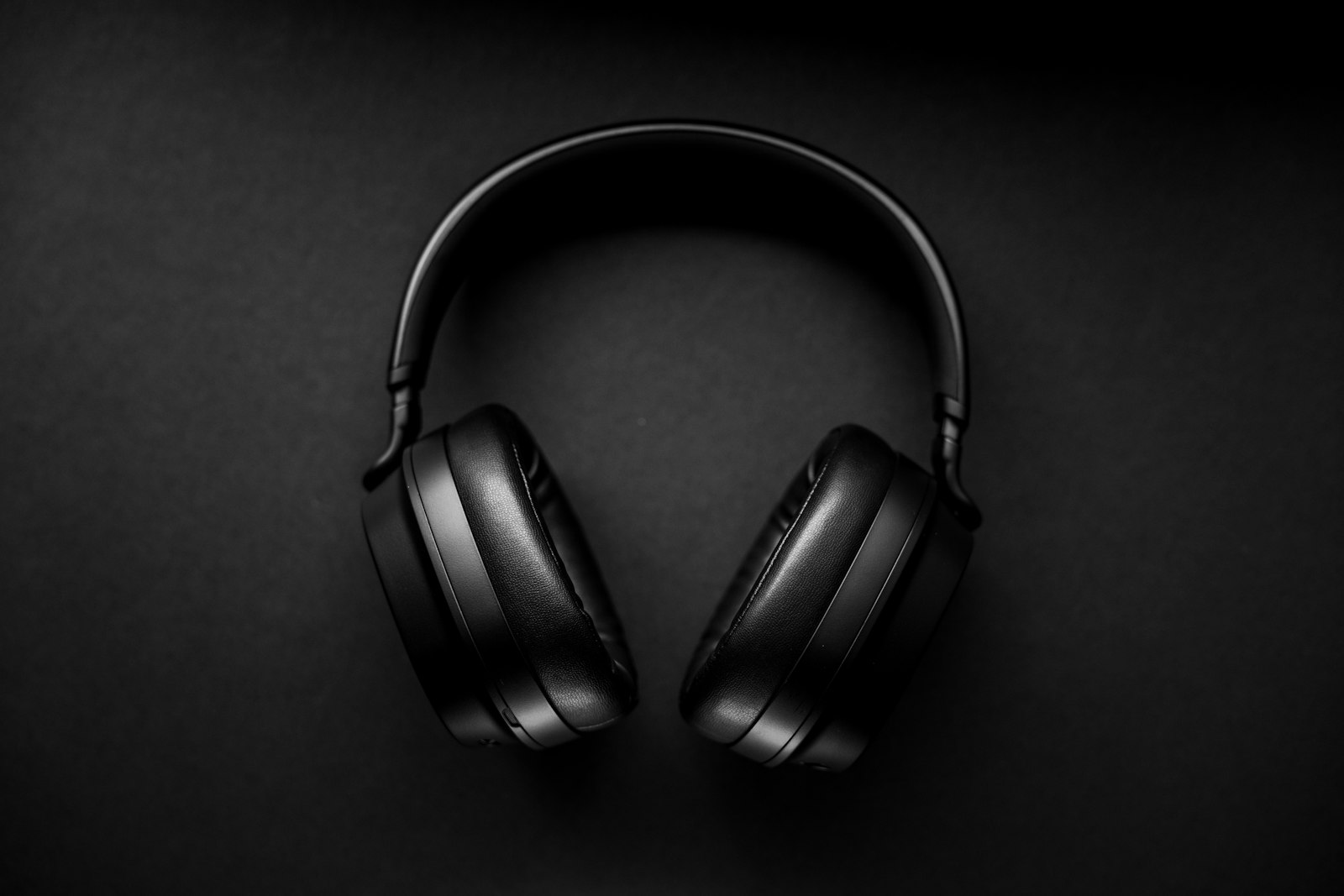
Does worn foam let noise in?
Yes. Foam that dried out or collapsed leaves a gap. Noise comes through that gap even when the headband still clamps. Replacement pads for collapsed foam are the fix. Jabra office cushions leak the same way once the foam collapses, and the new pad has to match that cup.
That gap is closed by ear pads to replace collapsed foam. When the foam is the leak, the same purchase is replacement pads for noise isolation and dense ear pads to get isolation back.
The usual names are ear pads for noise isolation, replacement pads for a better seal, passive noise isolation ear pads, and ear pads to restore the seal. This case is replacement pads if the foam dried out and noise leaks in. A full cushion goes back on the cup with ear pads for isolation instead of collapsed foam on the cups. Rooms where the gap is obvious suit dense ear pads to get isolation back on a flight or in an open office. When the foam no longer seals, that repair includes ear pads for a tight seal after the old ones wore out, and compatible ear pads for isolation if the cover tore.
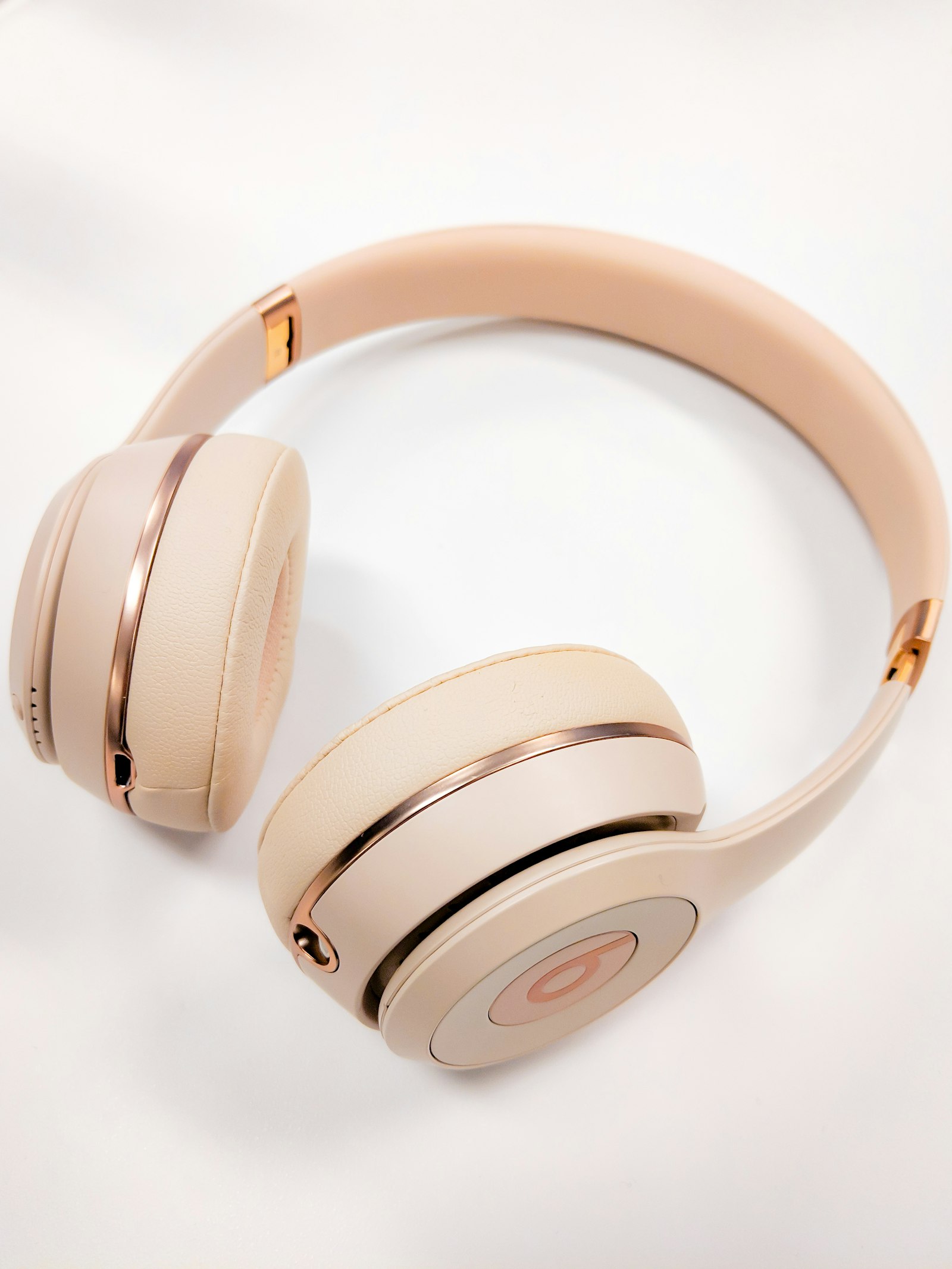
What does a broken seal sound like?
You hear the room more, and bass often drops with it. The pad should touch all the way around. A firm rim with soft foam is what closes that ring again. On Bose QuietComfort cups that ring is the passive seal. A new cushion leaves the noise-cancelling electronics alone, and it has to be the cushion for that QuietComfort version.
That closed ring is ear pads for a tighter noise seal. When you can see a gap, replace ear pads to restore the seal, and look for compatible ear pads for a dense seal if the old rim went soft.
The names are replacement pads for a better seal, ear pads to restore the seal, ear pads for noise isolation, and passive noise isolation ear pads. On a commute they have to meet skin all the way around, which is ear pads for a tight seal against your head on a commute. On the cup you already own, compatible ear pads for a tight seal around the ear do that. The construction is ear pads with a firm rim and soft foam for passive isolation. The pair to shortlist is ear pads for a tight seal after the old ones wore out, and compatible pads for passive noise isolation with a firm rim.
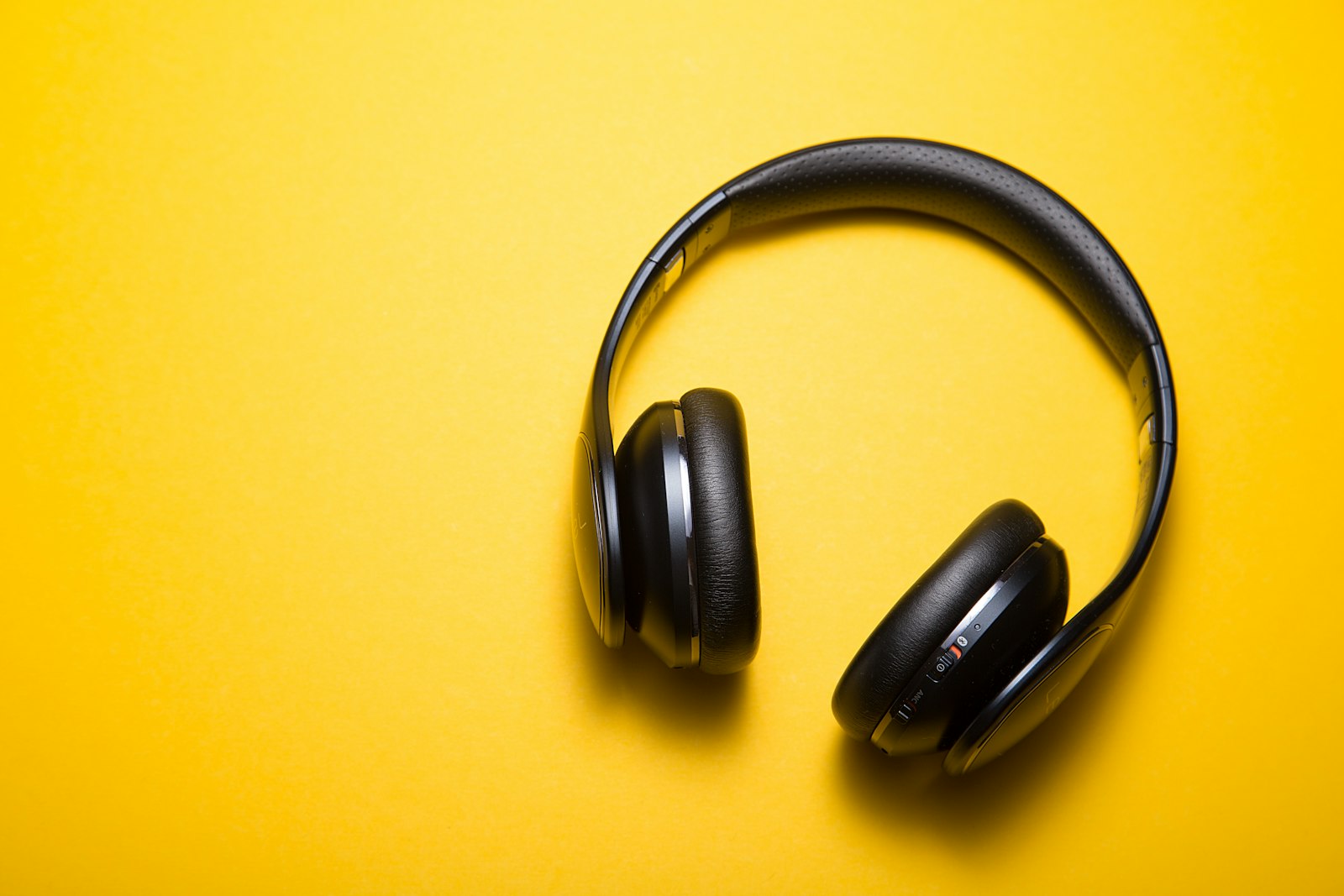
Can a torn cover ruin isolation?
Yes. A torn or flaking cover no longer holds the foam in a closed shape, so the seal breaks at the tear. Replace the pads if the cover tore. Tape is not a seal.
The whole cushion is replaced by compatible pads for passive noise isolation. A closed shape for the new cover comes from ear pads with a firm rim for isolation. The buy, not a patch, is replacement pads for noise isolation.
An intact cover is assumed by passive noise isolation ear pads, ear pads for noise isolation, ear pads to restore the seal, and replacement pads for a better seal. The direct match is compatible ear pads for isolation if the cover tore. Because the seal failed at the tear, the repair named by noise cancelling seems worse but the seal is gone replacement ear pads is a new cushion. If the tear let the foam die, ear pads for isolation instead of collapsed foam on the cups still apply. After the torn pair comes off, you put on dense ear pads to get isolation back on a flight or in an open office, and compatible pads for passive noise isolation with a firm rim.
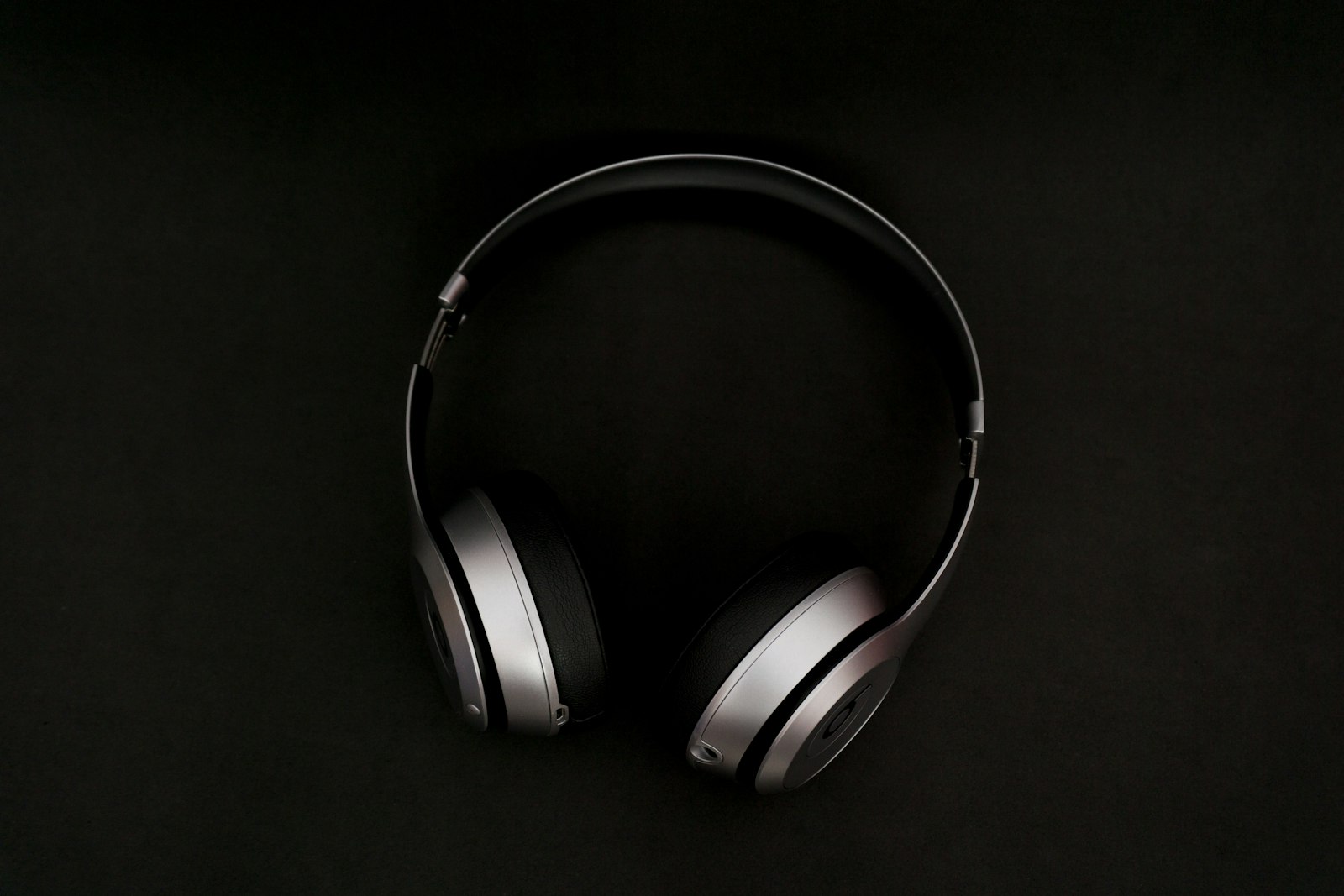
Do new ear pads fix active noise cancelling?
No. Pads restore passive isolation from the seal. They do not repair ANC electronics. If cancelling seems worse and the seal is visibly gone, pads are still the right first buy. If the seal is intact and ANC is dead, they are not.
When the foam is the leak, replace ear pads to restore the seal. That passive job only is what ear pads for a tighter noise seal and dense ear pads to get isolation back do.
A dead circuit is not woken by ear pads to restore the seal, ear pads for noise isolation, passive noise isolation ear pads, or replacement pads for a better seal. When the cushion no longer meets your head, noise cancelling seems worse but the seal is gone replacement ear pads are still right. The passive part comes back with dense ear pads to get isolation back on a flight or in an open office. Seal repairs include ear pads for a tight seal against your head on a commute, replacement pads if the foam dried out and noise leaks in, and compatible ear pads for a tight seal around the ear.
Which pads bring passive isolation back?
Dense pads with a firm rim and enough thickness to meet your head. That is the pair for a commute, a flight, or an open office when the old foam is the leak.
The match for your mount is compatible ear pads for a dense seal. The construction to look for is ear pads with a firm rim for isolation and compatible pads for passive noise isolation.
That firm rim should be shared by passive noise isolation ear pads, replacement pads for a better seal, ear pads for noise isolation, and ear pads to restore the seal. While the rim closes, the inside stays forgiving with ear pads with a firm rim and soft foam for passive isolation. The shortlist is compatible pads for passive noise isolation with a firm rim, compatible ear pads for a tight seal around the ear, and ear pads for a tight seal after the old ones wore out. The job the worn pair left open is finished by ear pads for isolation instead of collapsed foam on the cups.
A tired seal is a pad problem on noise-cancelling headphones too. Sony, Apple, and Samsung cups leak room noise when the foam collapses or the cover tears. A new cushion restores the passive seal. It leaves the cancelling electronics as they are, and it fits only the model named on the listing.
Which pair should you buy?
Buy a denser pair with a firm rim when the foam, the seal, or the cover is the leak. Do not buy pads as a fix for dead active noise cancelling.
A product link is published only after fit and catalog are confirmed.
Sponsors
- intranet.canadabusiness.ca
- redirect.camfrog.com
- kupiauto.zr.ru
- forums2.battleon.com
- artecapital.net
- jpn1.fukugan.com
- wartank.ru
- reporting.breakfreeholidays.co.uk
- auto.today
- pl.grepolis.com
- prezi.com
- ecms.des.wa.gov
- ai.blackfacts.com
- 100day.hatenadiary.com
- ketogenicforums.com
- jsv3.recruitics.com
- nin.wiki
- dcfever.com
- the-take.com
- pro.edgar-online.com
FAQ
Why do my headphones isolate less noise than they used to?
The seal opened. Worn foam, a pad that no longer reaches your head, or a torn cover lets noise in.
Will new ear pads fix active noise cancelling?
No. They restore passive isolation only. ANC electronics are a different repair.
What pads help on a commute or a flight?
Dense pads with a firm rim that meet your head all the way around.
Can a torn cover be the whole problem?
Yes. The tear breaks the seal. Replace the pads rather than taping the cover.
Bass got weaker and noise got louder. Are those the same fault?
Often yes. Both follow a leaked seal from collapsed foam.
When should I skip new pads?
When the cushions still seal and the noise cancelling circuit is what failed.